On this page


Event details
When:
Term 3, week 6
- Tuesday 25 August
- Wednesday 26 August
- Thursday 27 August
Where:
Who can attend:
Year 10 students – educators are encouraged to prioritise those who may benefit from building confidence, connections and perspectives.
Register one or more tables for any of the 3 days; student names are not required at registration and will be collected later.
What to expect
About the convention
The annual Active Citizenship Convention brings together year 10 students and educators from all schooling sectors, along with experts, government officials and community stakeholders to promote the interests of democracy and civic participation.
‘Our Voice. Our Impact’ is a one-day program delivered across 3 days. The convention forms part of the department’s Safeguarding Democracy initiative, building students’ confidence and capability to contribute to discussions and decisions that affect their lives and communities.
Program
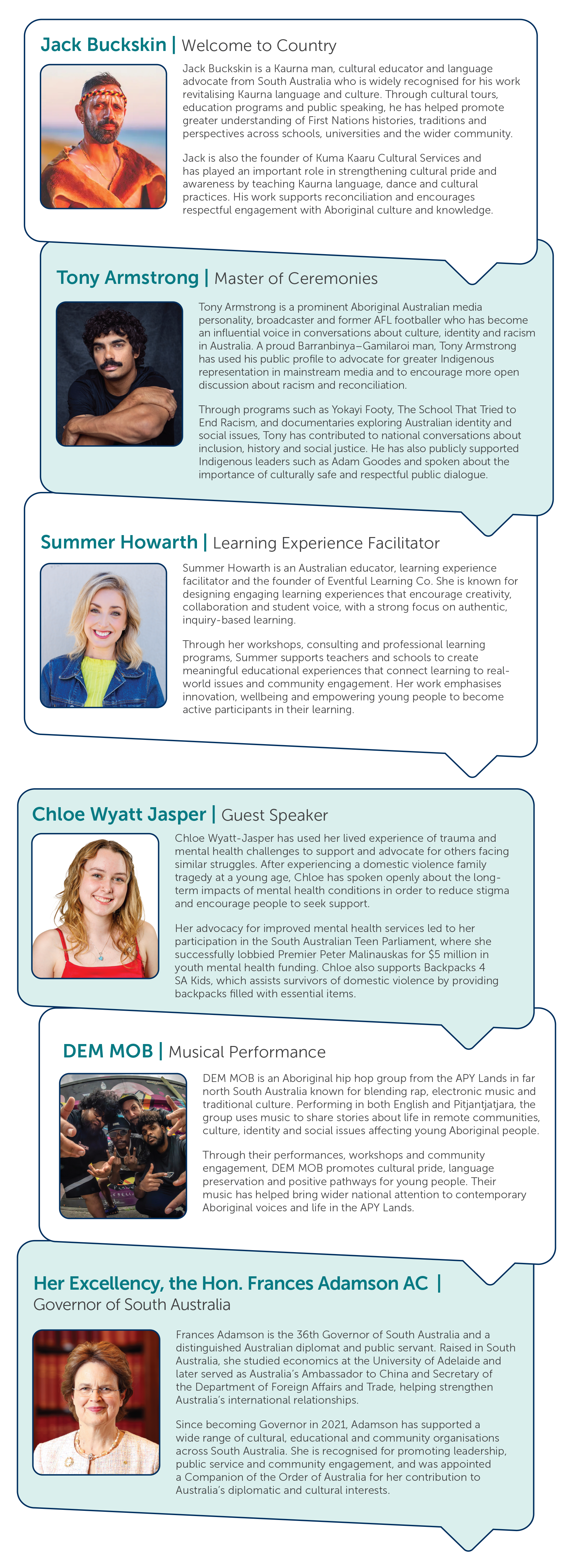
| 9:00am | Welcome | with Tony Armstrong |
| 9:10am | Welcome to Country | with Jack Buckskin - Kuma Kaaru |
| 9:25am | Government’s address | Hon Lucy Hood MP |
| 9:40am | Activity | AI and information disorder |
| 10:05am | Opposition’s address |
Hon Ben Hood MLC (Tuesday) Mrs Ashton Hurn MP (Wednesday) Video address (Thursday) |
| 10:15am | In Conversation |
with Chloe Wyatt-Jasper hosted by Tony Armstrong and Summer Howarth |
| 10:35am | Morning tea break | |
| 11:05am |
Interactive Group Sessions including: (concurrent and co-led by youth facilitators) |
|
| 12:35pm |
Lunch with Legends and Leaders Get Voting experience |
including politicians, media, athletes, artists, entrepreneurs and community leaders with Electoral Commission South Australia |
| 2:00pm | Governor’s address | with Her Excellency, Hon Frances Adamson AC, Governor of South Australia |
| 2:25pm | Musical performance | Our voice. Our impact rap performance by DEM MOB |
| 2:35pm | Closing remarks | with Tony Armstrong and Summer Howarth |
| 3:00pm | Official close | with Tony Armstrong |
Guest speakers
Student activities
Students will engage with:
- Dynamic presenters on democracy, youth influence and civic participation.
- Interactive strategies to navigate AI, mis- and disinformation.
- Youth-led interactive group sessions on respectful dialogue and deliberative decision making.
- A voting experience to cast a preferential ballot.
- Lunch with legends and leaders to connect with inspirational Australians from politics, media, the arts, sport, and community life.
- A live music performance created from student reflections and voices captured during the day, focusing on active participation, youth voice and decision-making.
- A well-known MC will guide each day’s program, adding humour, heart, and a relatable voice to encourage students to engage, connect and be active citizens.
Learner outcomes
- Students attending the Active Citizenship Convention will develop their capacity to engage meaningfully with democracy, building trust and hope in our systems, and the skills needed to be active, informed and compassionate citizens.
- The convention positions South Australia as an innovator of democracy and encourages students to consider the importance of their voice, consider different perspectives, and engage with a range of community and youth leaders.
- Through learning experiences, students will build confidence to navigate complex media landscapes building strategies to identify mis and disinformation.
- Students will develop a deeper understanding of democratic principles, processes and South Australian history of democratic innovation while practicing skills of democratic dialogue and deliberative decision making.
Experience casting a preferential vote
During the Active Citizenship Convention, learners will participate in a simulated election run by the Electoral Commission of South Australia. This interactive experience provides students with the opportunity to practice the skill of casting a formal preferential ballot, and understand how preferences are distributed until a candidate receives an absolute majority.
What students will do
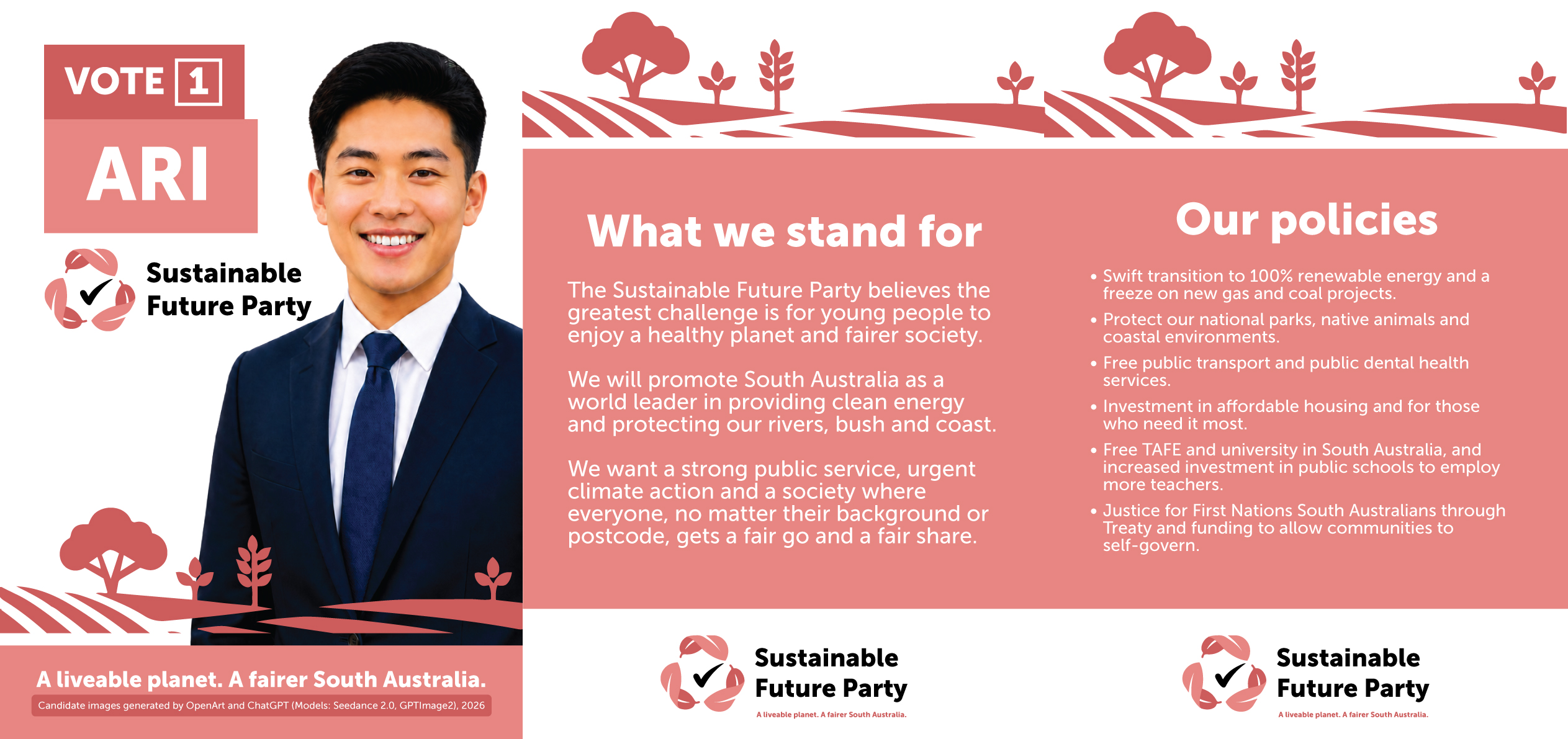
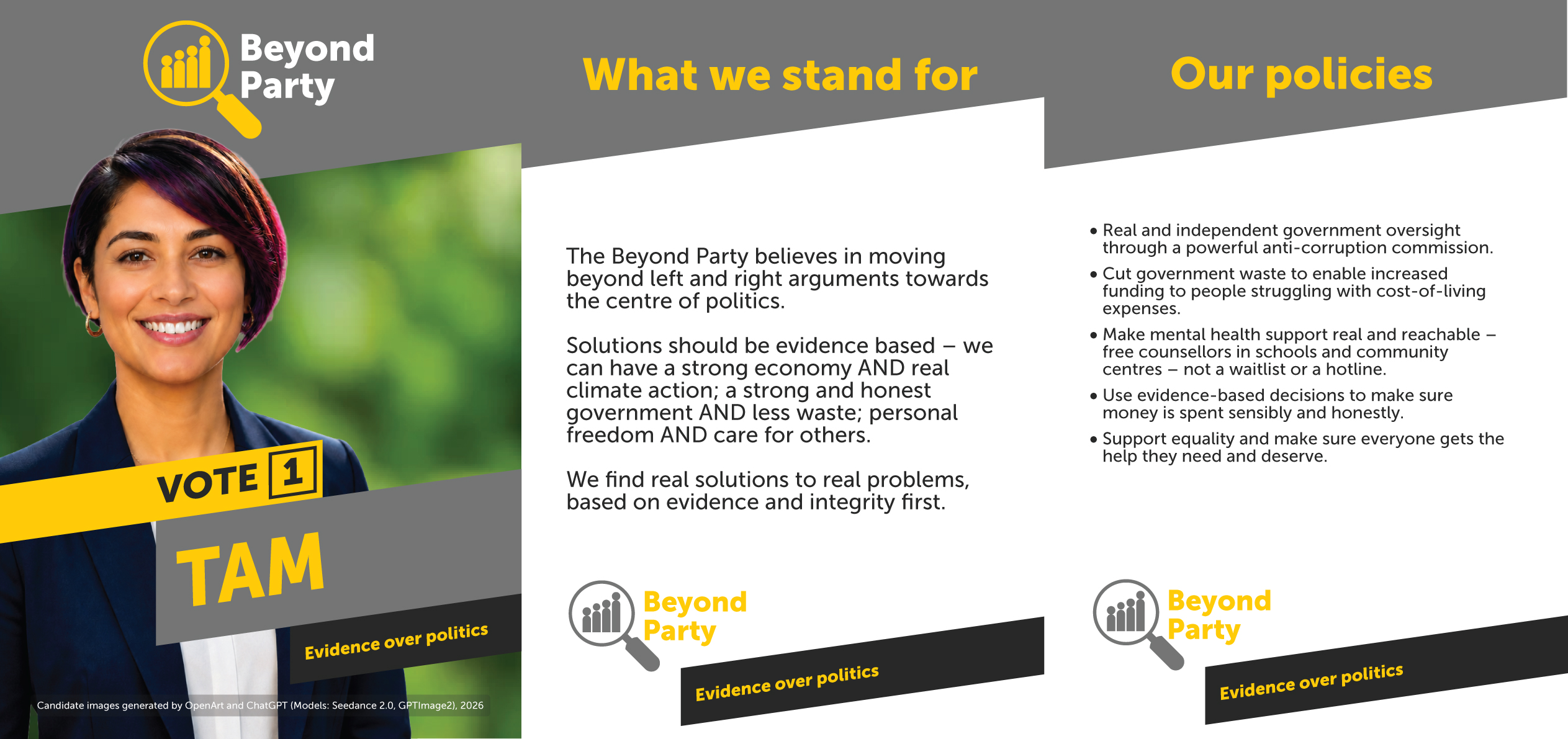
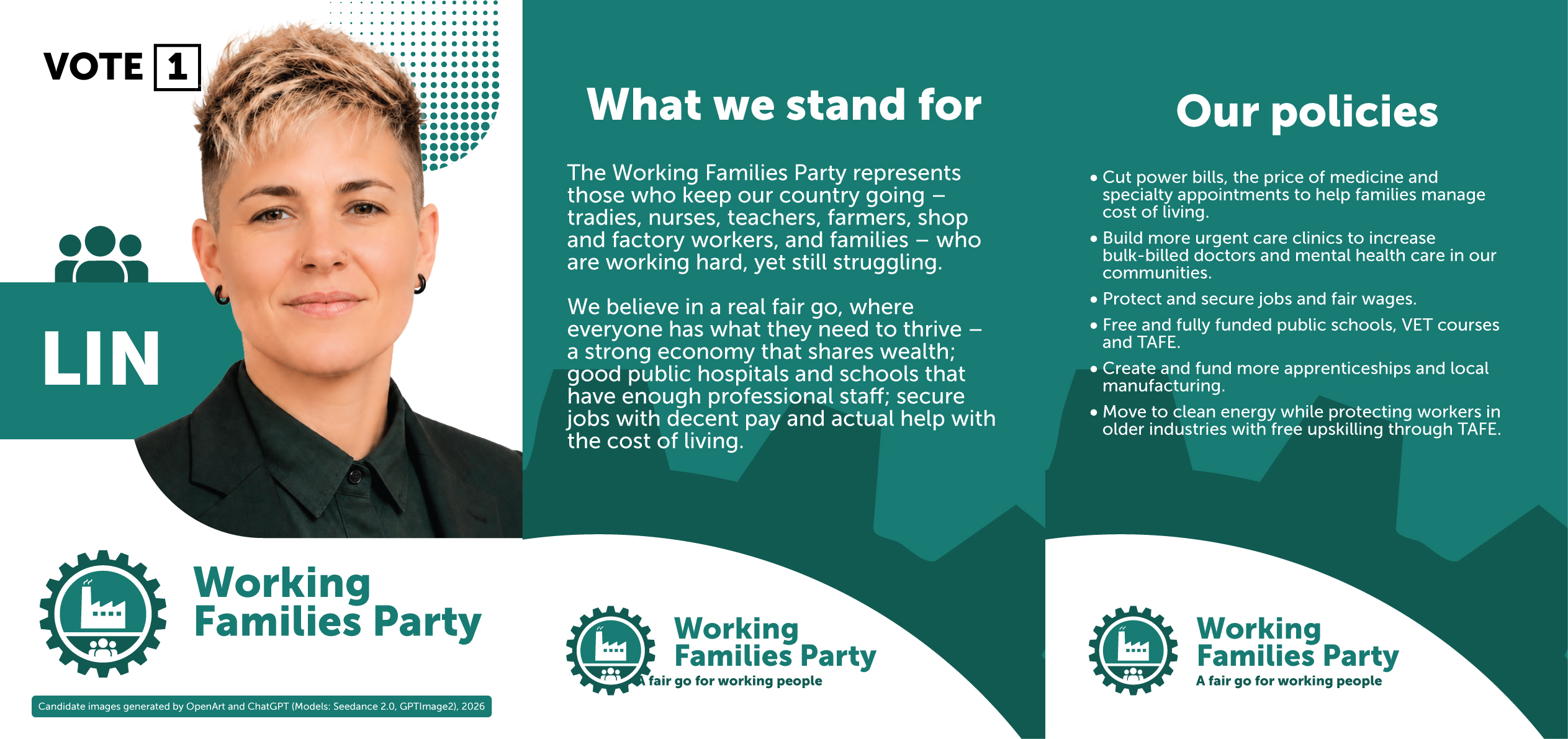
- consider the platforms and policies of the mock parties
- visit the voting station
- receive a ballot paper listing the candidates
- number every candidate in order of preference
- cast their vote
- observe how a candidate is elected with an absolute majority (more than 50% of the formal votes).
- discuss provisional voter registration with Electoral Commission staff
Meet the candidates
Before voting, students will explore the election material for each fictional candidate. Each candidate represents a different political party with its own values, priorities and policy positions.
Students are encouraged to compare the candidates, consider the issues that are important to them and decide how they will rank each candidate on their ballot paper.

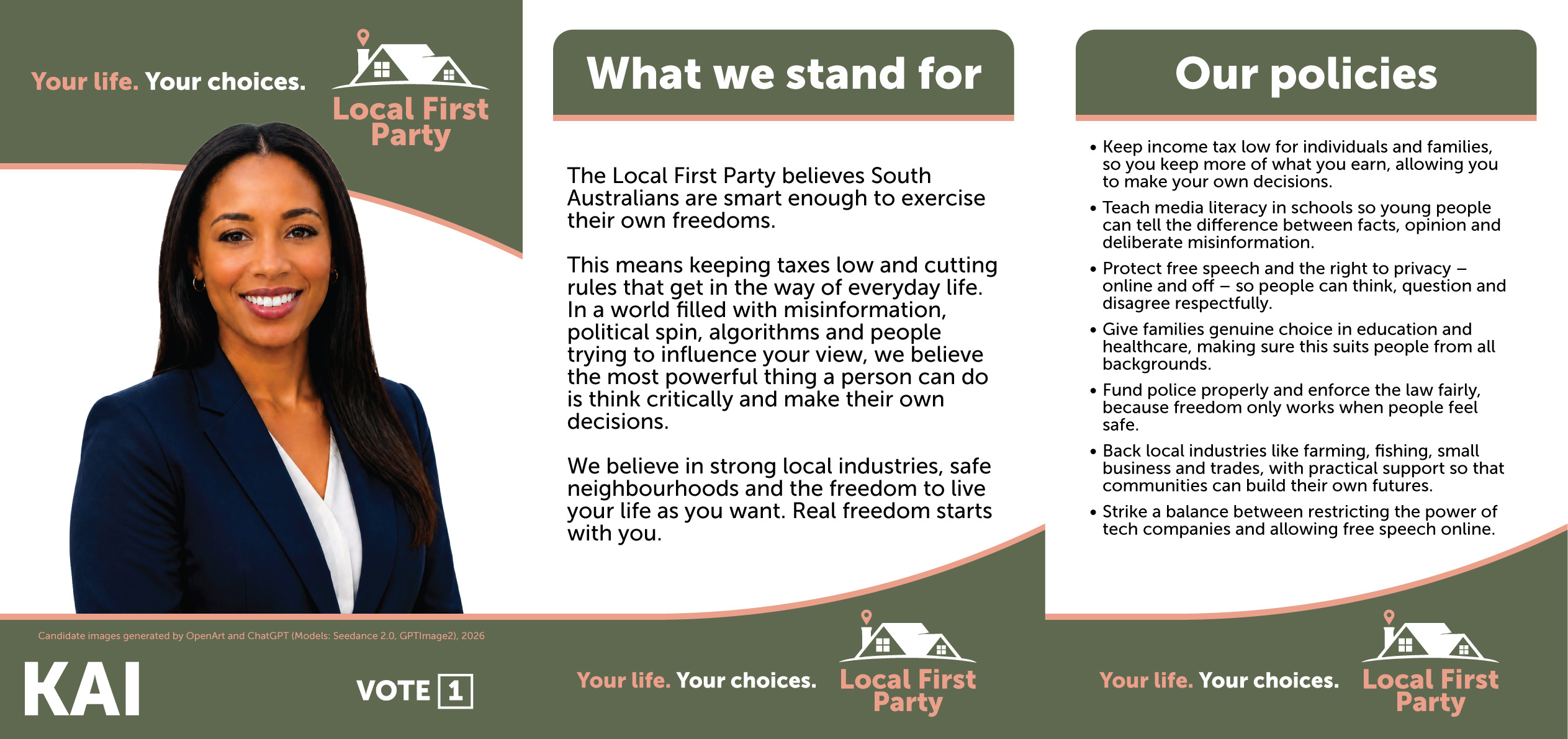
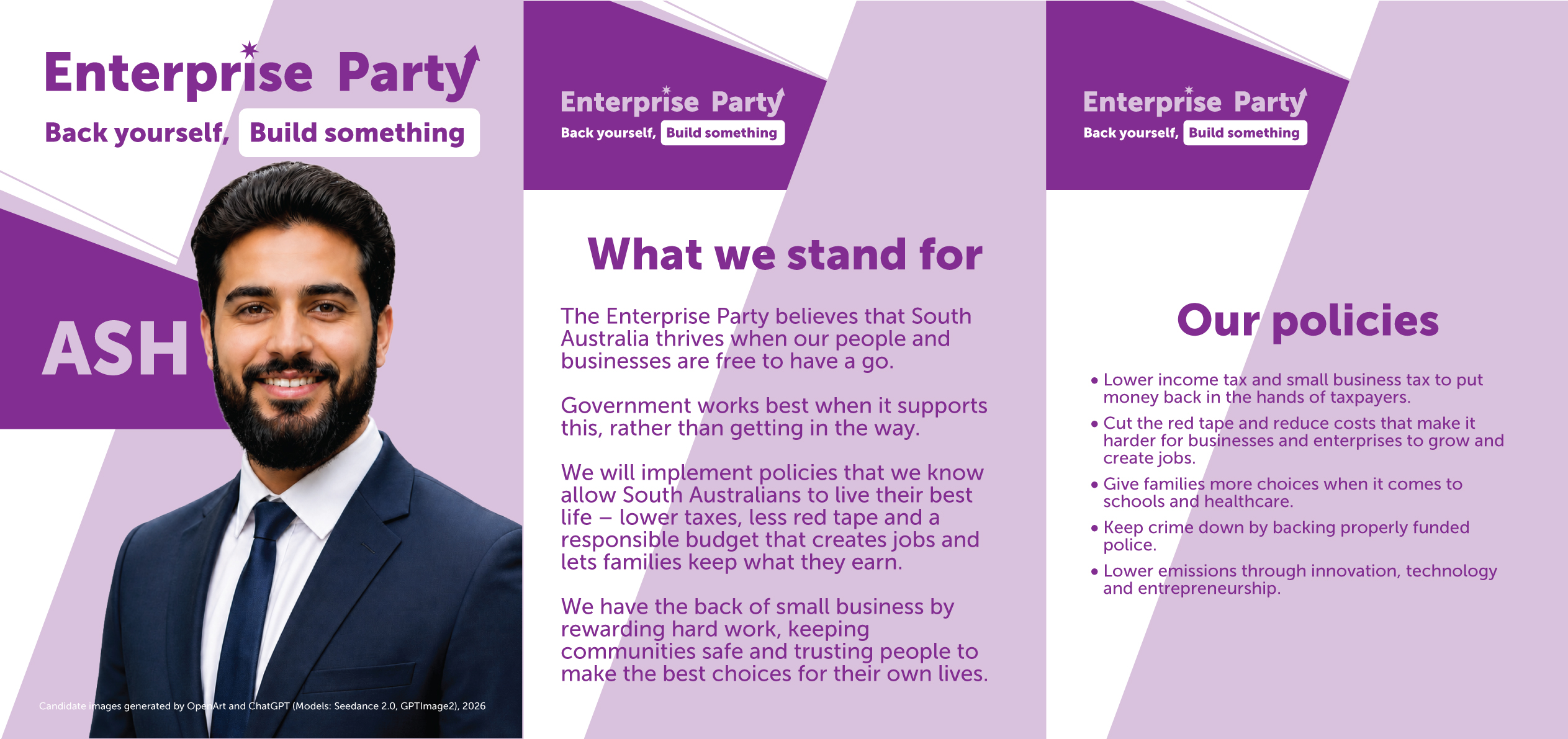
All candidates political posters (PDF 2 MB)
How preferential voting works
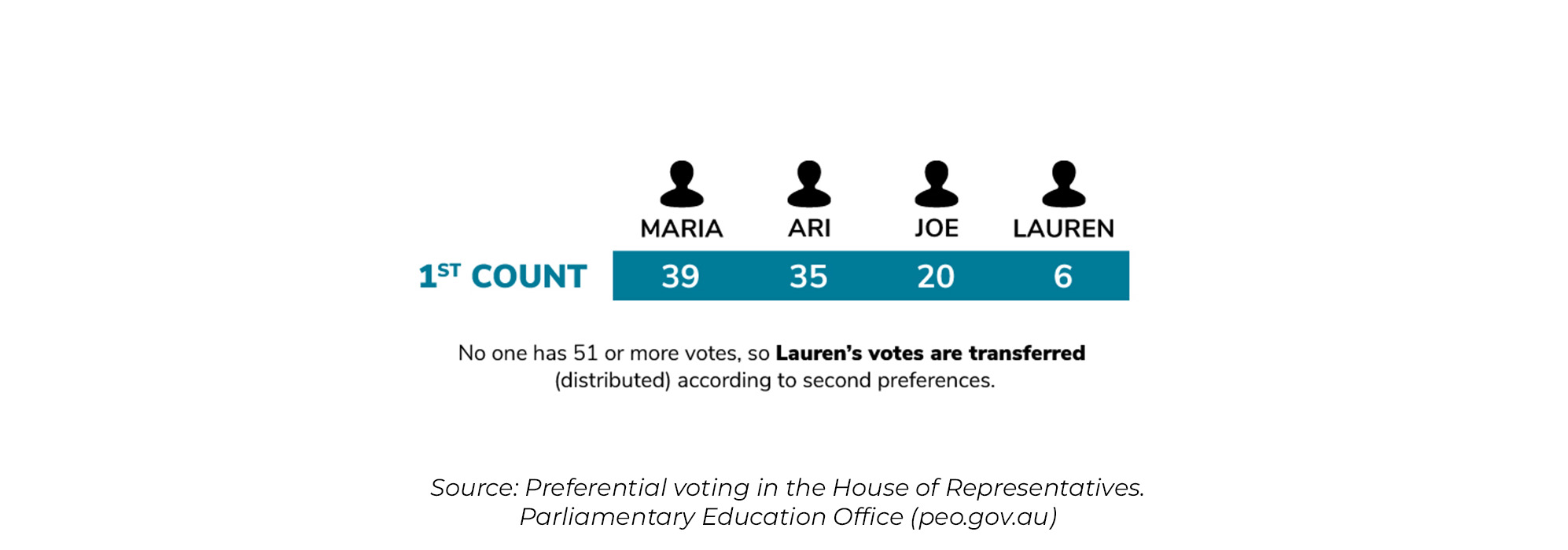
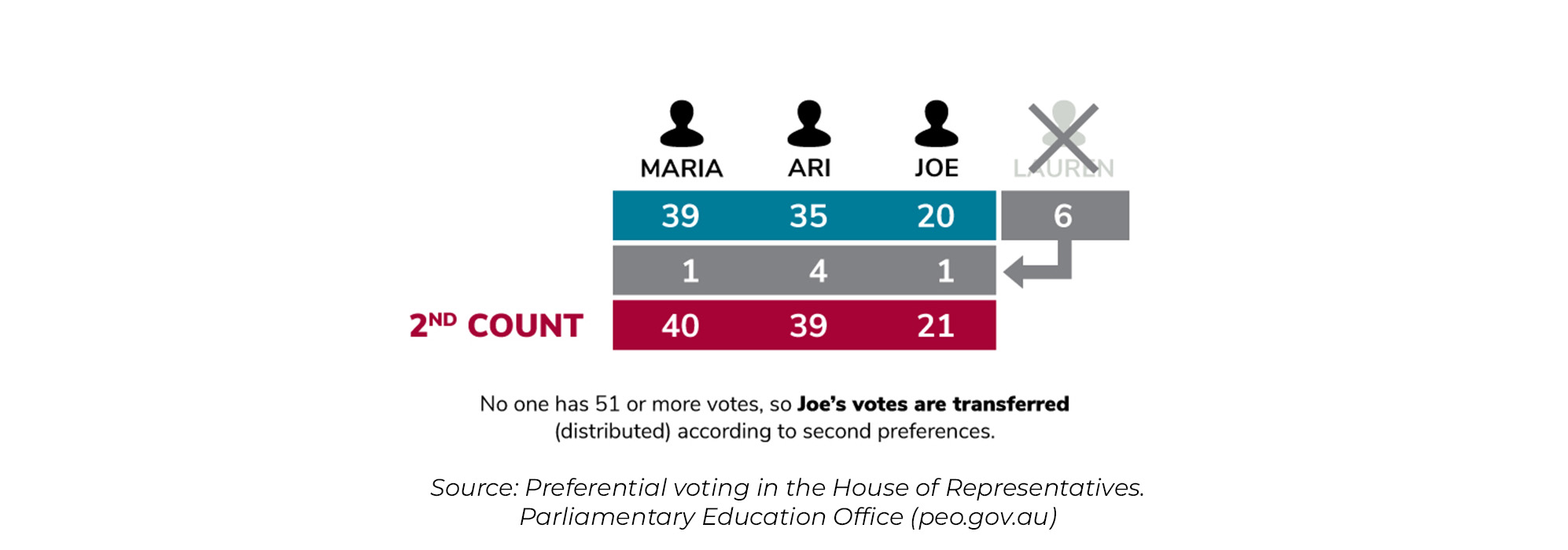
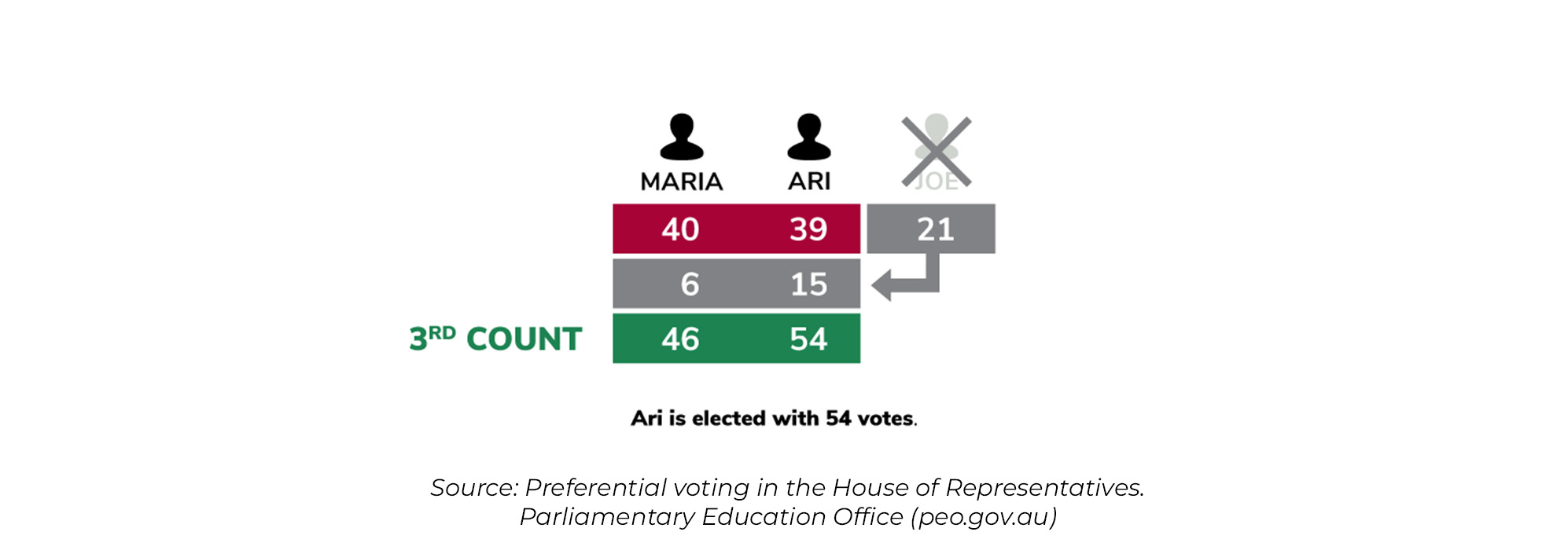
After all students have voted, the ballots are counted using Australia's full preferential voting system.
If no candidate receives an absolute majority from the first-preference votes, the candidate with the fewest votes is excluded and their votes are redistributed according to the next available preference marked on each ballot paper. This process continues until one candidate receives more than 50% of the formal votes and is elected.
Why this matters
Through this activity, students develop a practical understanding of:
- Australia's preferential voting system
- how preferences influence election outcomes
- how members of the House of Representatives are elected
- the importance of informed participation in Australia's democracy.
Lunch with legends and leaders
The convention’s daily program will include a ‘Lunch with legends and leaders’ program item. This is a powerful opportunity for students to connect with inspirational Australians from politics, media, the arts, sports and community life. Resources to support student learning will be available closer to the event.
Students will:
- See the human face of leadership and influence
- Explore the real-life value of democracy in different walks of life
- Feel empowered to express their own stories, ideas and hopes
- Be inspired to be change-makers within their own communities.
Curriculum learning resources
Resources to support student learning will be available closer to the event.