How programs are developed
Preschool is a welcoming and engaging environment where children can feel safe, supported and excited to learn every day.
All preschool programs are play-based and guided by the Early Years Learning Framework (EYLF) - Belonging, Being and Becoming. The framework focuses on discovering, developing confidence and growing through meaningful play.
Each preschool may change its activities to suit the needs of its children.
The framework in action
The framework comes to life through activities such as:
- nature play
- storytelling
- movement
- creativity
- early numeracy and literacy
- problem-solving
- building friendships

A typical day for preschoolers
Educators design days that spark curiosity in little learners. This often involves sensory play, imagination, music, and outdoor adventures. Programs aim to help kids develop confidence, independence and a strong sense of who they are.
This is a general idea of what you and your child can expect. Check with your specific preschool for more details.
Arrival and play
Children arrive and say goodbye to families. They can choose activities like blocks, drawing or pretend play.
Group time
Everyone sits together for songs, stories, or to talk about the day.
Learning time
Children join activities planned around their interests, like art, science, or numbers.
Outdoor play
Time outside to climb, dig, garden, play ball, or ride bikes.
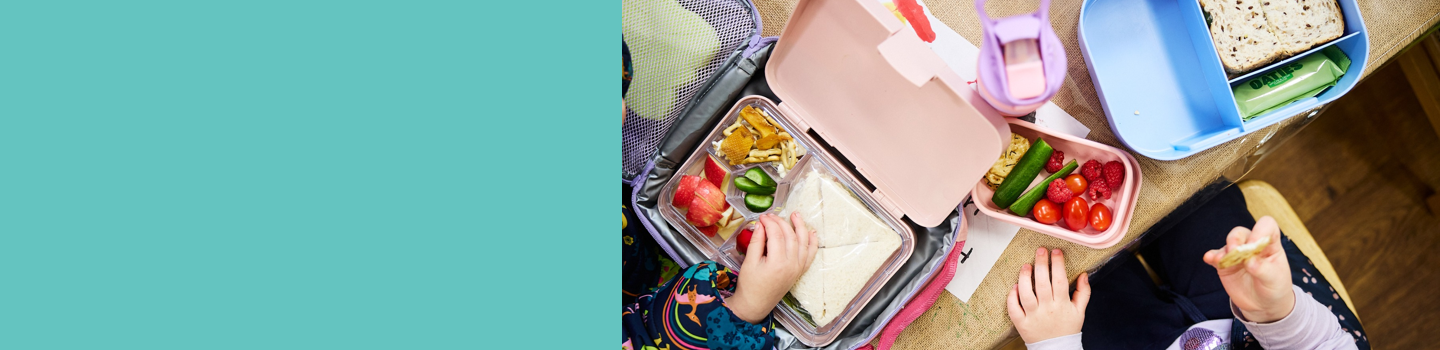
Lunch
Children eat healthy food and practise being independent.
Quiet play
Time to relax, read, rest or do calm activities.
Projects
Children and educators work together on shared projects or ideas.
Pack-up and reflection
Children help clean up and talk about what they enjoyed or learned
Home time
Families arrive and educators share how the day went