More pencils, fewer screens in SA primary school trial
Think handwritten drafts, group discussions and more time to make, build and experiment. From Term 1, 2027, students in Years 3 to 6 at 10 South Australian public primary schools will have one screen-free day a week as part of a six-month trial to get the balance right in classrooms.
The trial will make more room for hands-on learning while giving students opportunities to build the digital skills they’ll need for further study and work. For the rest of the week, students will use laptops and tablets for activities with a clear learning purpose.
What will change in the classroom?
Teachers will look for everyday swaps. Students might talk through an idea together or sketch it out on paper where that works as well as using a screen. Schools will test ways to restrict access to websites, apps and platforms that serve no educational purpose.
Teachers will use their professional judgement about when digital tools, including classroom smartboards, support teaching, learning and assessment. Students who rely on technology to learn and participate, including those with disability or additional learning needs, will continue to have access to the tools they need.
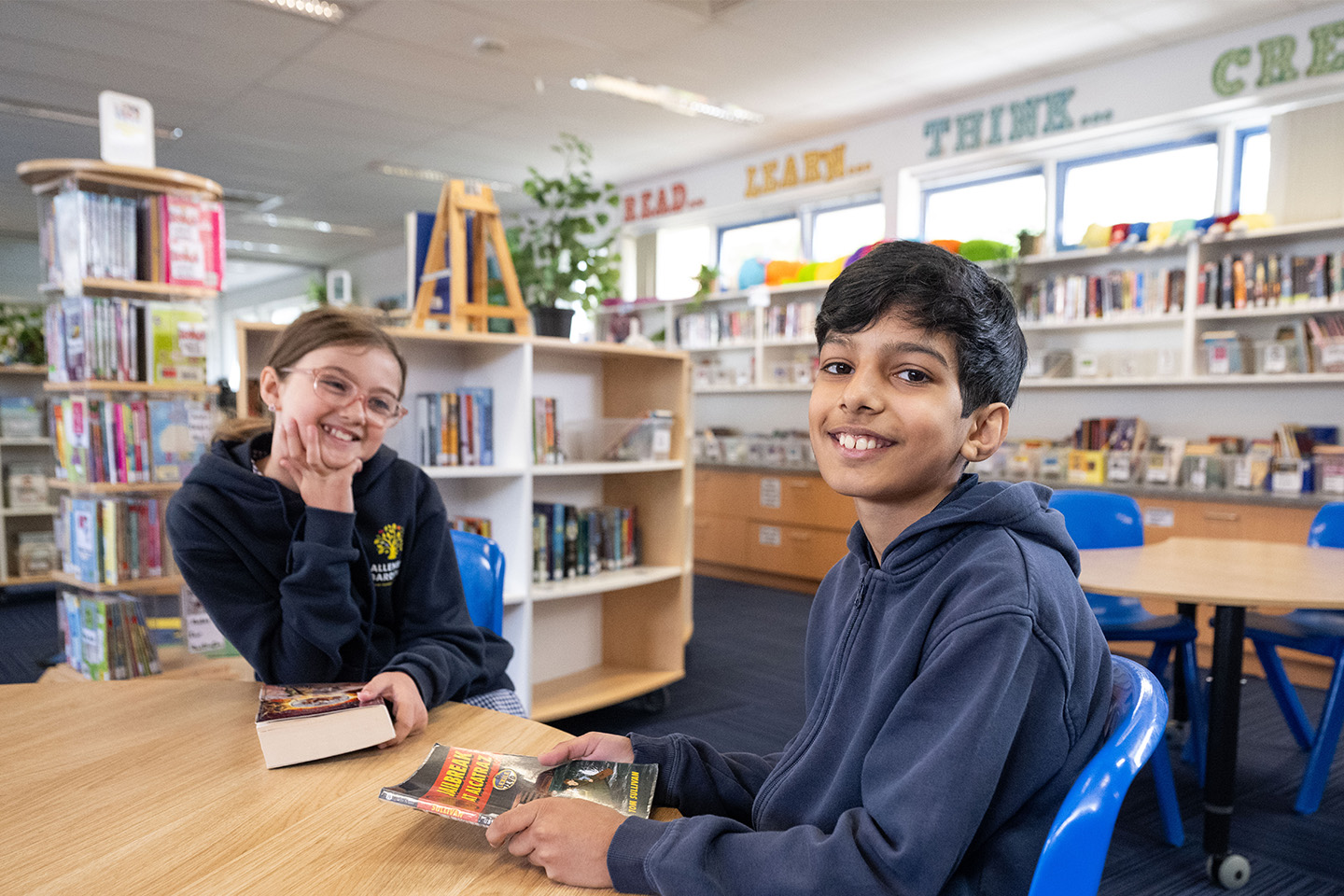
Allenby Gardens Primary School principal Vicky Bitzios said primary school students were still building the basics.
“It’s important to give them time to practise their handwriting, talk through their ideas and learn by doing. This trial gives us a chance to make more room for those experiences while keeping the technology that helps students learn digital skills,” Ms Bitzios said.
“We’re interested in what teachers notice about how students engage and learn when we change the way screens are used.”
What will schools learn from the trial?
Teachers will share what they notice about student engagement, wellbeing and learning progress. The trial will also look at teacher workload and consider the needs of students with disability, regional school communities and students with limited access to technology at home.
The findings will help shape practical classroom resources for teachers and inform future decisions about screen use across South Australian public schools.
More changes from 2027
- Reception to Year 2. Laptop and tablet use will be banned across all public primary schools, with exemptions for teaching digital technology skills required by the curriculum, using classroom smartboards, supporting students with disability or additional learning needs, enabling Distance Education and School of the Air students to participate, and preparing Year 2 students for NAPLAN.
- Pen licences for Years 3 and 4. A new Pen Licence program will give students more time to practise handwriting and celebrate earning their licence. Year 3 students already sit their NAPLAN writing test on paper. Education ministers have agreed to bring back pen and paper for the Year 5 writing test from 2028, subject to further advice from the Australian Curriculum, Assessment and Reporting Authority.
- School devices. The Government will phase out Bring Your Own Device requirements in public primary schools and remove the requirement for one device per three students. Department-managed devices will give schools greater control over what students can access, helping reduce distractions, restrict inappropriate use and protect student information.
The changes build on the school mobile phone ban and Wait Mate, which helps families decide when to give their children a mobile phone. From the start of 2027, public school students from Reception to Year 9 will also have 150 minutes of active learning each week.
The Department for Education is working with schools on implementation.
Participating schools
- Allenby Gardens Primary School
- Blair Athol North B-6 School
- Cummins Area School
- Flaxmill School P-6
- Kilkenny Primary School
- Kirton Point Primary School
- Magill School
- McDonald Park School
- Modbury West School
- Reidy Park Primary School