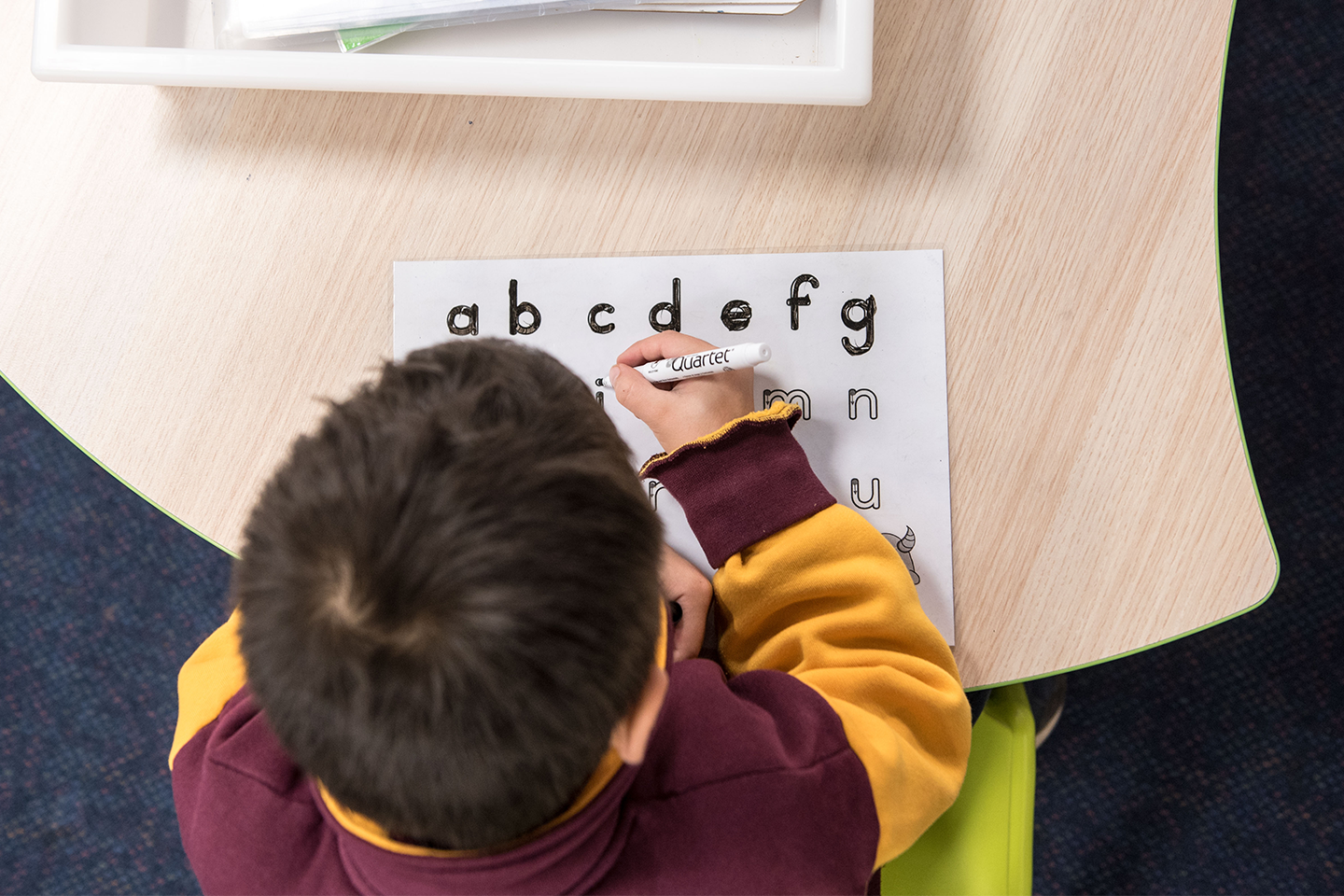
Phonics focus to drive literacy results
A focus on lifting literacy and numeracy levels will see a second phonics check introduced for students in year 2. The move will ensure interventions are put in place for students who don’t reach 28 words in year 1 so they can be successfully supported to improve their literacy.
South Australia led the country introducing the phonics check and has since built on this by being the first jurisdiction to introduce a numeracy check for year 1 students – starting next year.
Now, the introduction of a second phonics check in year 2 will ensure every child develops the fundamental literacy and numeracy skills they need to succeed.
This comes as free sets of new readers – books specifically designed in collaboration with SPELD SA, a not-for-profit organisation that assists children and adults with learning difficulties – are being distributed to 130 primary schools across the state.
The readers support the way reading is now taught, systematic synthetic phonies – a type of explicit instruction – to drive improvements in phonics.
In addition to the extensive existing efforts in early reading, the department is also bolstering professional learning in literacy for early career teachers and free online literacy support and resources for parents.
The annual year 1 phonics testing, undertaken to help teachers identify issues early in a child’s education, has recorded 66% of children who can correctly decode 28 or more words out of 40. This is 23% higher than those in 2018 (the first testing year), showing the work being done in this area is making an impact.
Students undertaking the phonics check in 2025 were among the most developmentally impacted by COVID-19 in the early years, which is likely to have had an impact on students who completed the check this year.
However, the median number of words correct by students has remained similar to 2024 – with 32 words correctly decoded – well above 28 words.
The check shows teachers how their students are progressing in phonics, which is the relationship between letters and sounds and is critical for learning to read. It provides valuable information to teachers so they can provide additional support to students who need it.
As a result of the reduction, and in the wake of additional support being provided to those students who have been identified as struggling, schools will re-screen those who were unable to decode 28 words or more from this year’s check again in 2026, when they are in year 2.
This means personalised support will be put in place with students’ results tracked over a 12-month period.
This is all with the view to permanently introduce a second phonics check for year 2 students – putting another tool in the hands of our teachers to support their students with reading.
The 2025 phonics screening check was conducted in August, with 11,350 year 1 students taking part. A higher percentage of year 1 students participated in the phonics check in 2025, ensuring the most disadvantaged students are being checked and supported to improve.
Learn more about the phonics screening check.