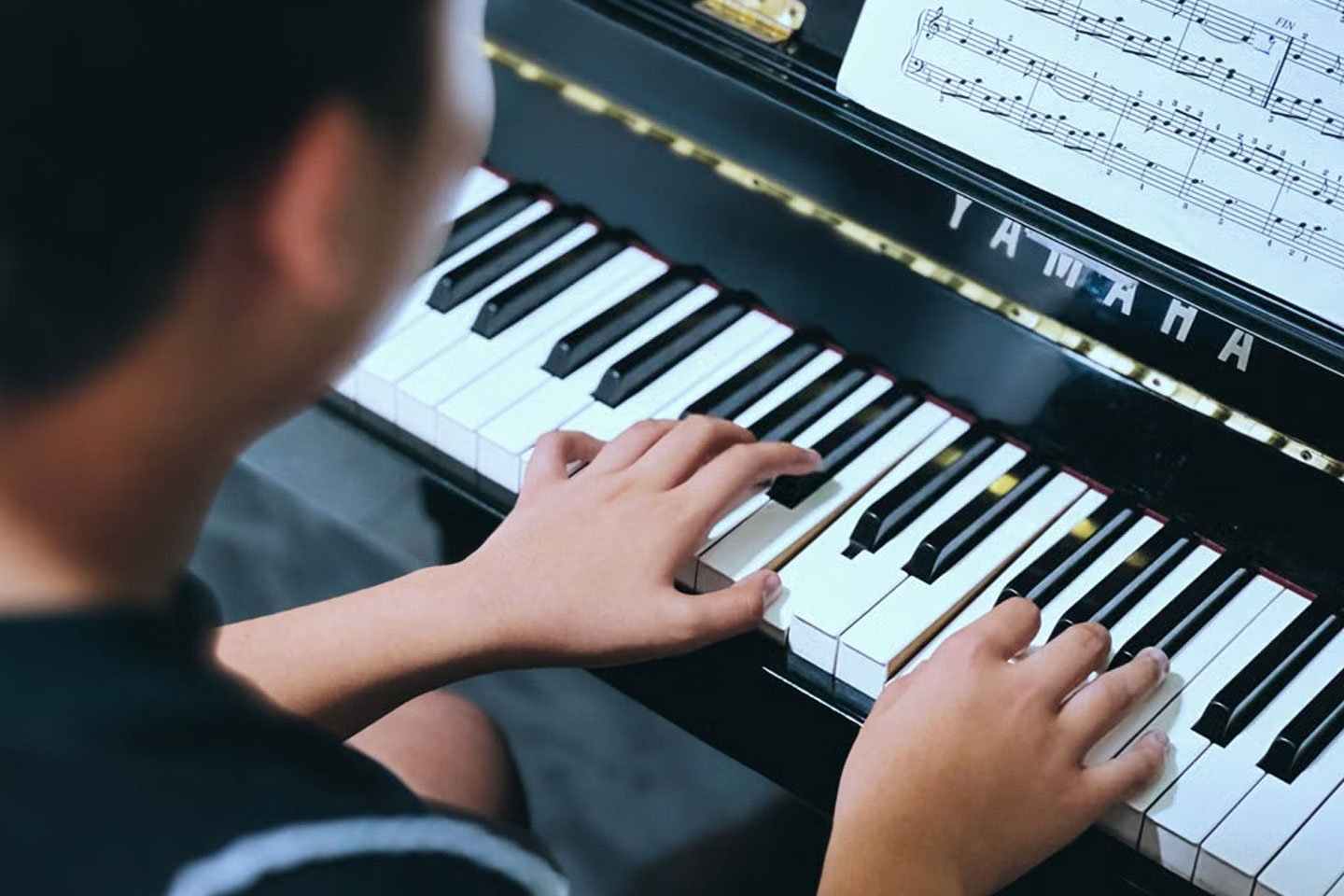
Record grant funding for music in schools
Public schools and preschools across South Australia have been awarded more than $300,000 to invest in music education, under the latest round of grants from the Department for Education’s Music Innovation Fund.
This year’s round of funding is the largest yet, bringing the total amount of money the fund has invested into music education since 2019 to more than $1.9 million.
Schools, preschools and other public education sites applied for a grant to purchase instruments and equipment, gain access to specialist resources and programs or engage with qualified external music education providers.
The Fund is a key part of the department’s Music Education Strategy, which recognises the role learning music plays in improving literacy, language and other academic skills, as well as social development and emotional wellbeing.
The Strategy’s programs, including the Music Innovation Fund, are increasing equitable access to music education and enabling sites to establish, strengthen and sustain high-quality music programs.
Since the Fund was established, grants have been awarded to 476 schools and preschools across seven rounds. Some of this round’s recipients include Saddleworth Early Learning Centre, Mount Barker Primary Schools, and The Heights School, where $17,000 has been put towards a range of brass and woodwind instruments.
Department for Education Executive Director, Curriculum and Learning, Rod Nancarrow said music education is a vital part of the curriculum, especially in the younger years when children are building foundational skills.
“The Music Education Strategy has not only improved the quality of existing music education programs, it has also allowed some smaller and remote schools and preschools to establish music programs they didn’t previously have,” said Mr Nancarrow.
“Research shows that high quality music education which starts early develops skills which will support children throughout their learning, and social and emotional skills which will support them throughout their life.”
Grants were awarded through an expression of interest process, with applications assessed by music educators and curriculum specialists.